One difference between Paris and even the most dense American cities that jumped out at me is the complete lack of surface parking lots in Paris. Not once have I noticed myself walking along the road and seeing any space on the surface dedicated to parking (excluding street parking of course). It hurts my American brain to see such a lack of parking plainly visible.
Now, the quick and easy explanation for this that you might hear is that “European cities weren’t built for the car like American cities were” which has some problems. The first problem is that most American cities also weren’t built for the car. They were built like every city before them, for travel on foot, on horse, and later on streetcar. American cities weren’t built for cars, but they did bend over backwards to accommodate them. Take this famous image of the land right next to Houston’s downtown in the 1970s:
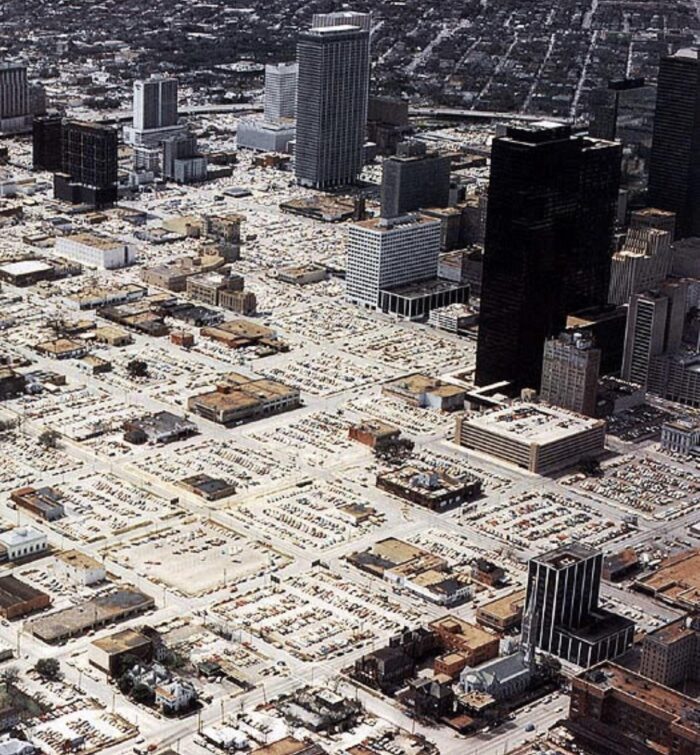
For comparison, here’s a Sanborn map from 1907 that I cross referenced with the above image showing what was on some of those blocks before:
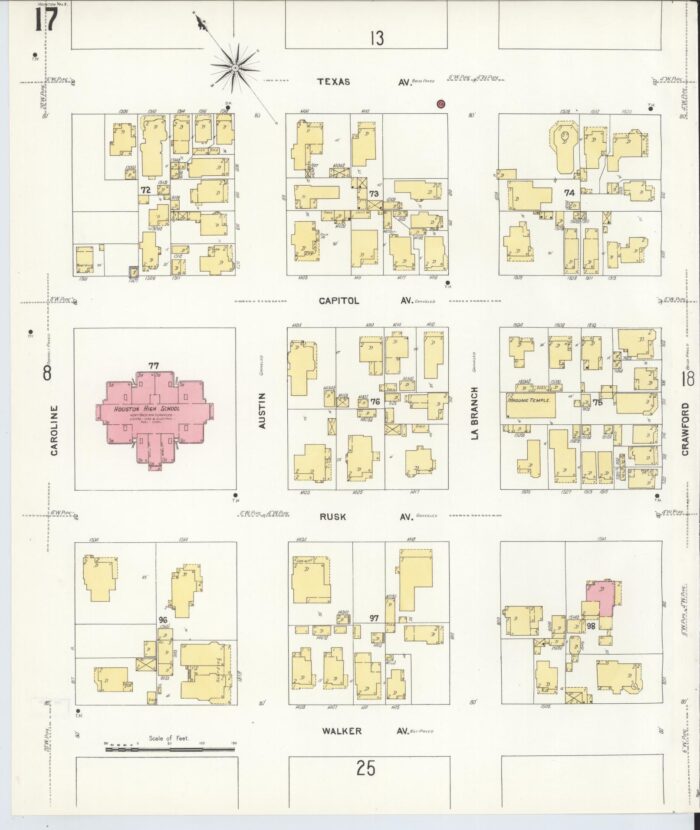
To many, it’s just a fact of life that American cities are built in a more car-centric way than European cities, but it’s important to remember that American cities weren’t always this way. One often overlooked fact is that, just like American cities, European cities accommodated cars too. Imagine going to Notre Dame now and seeing this:
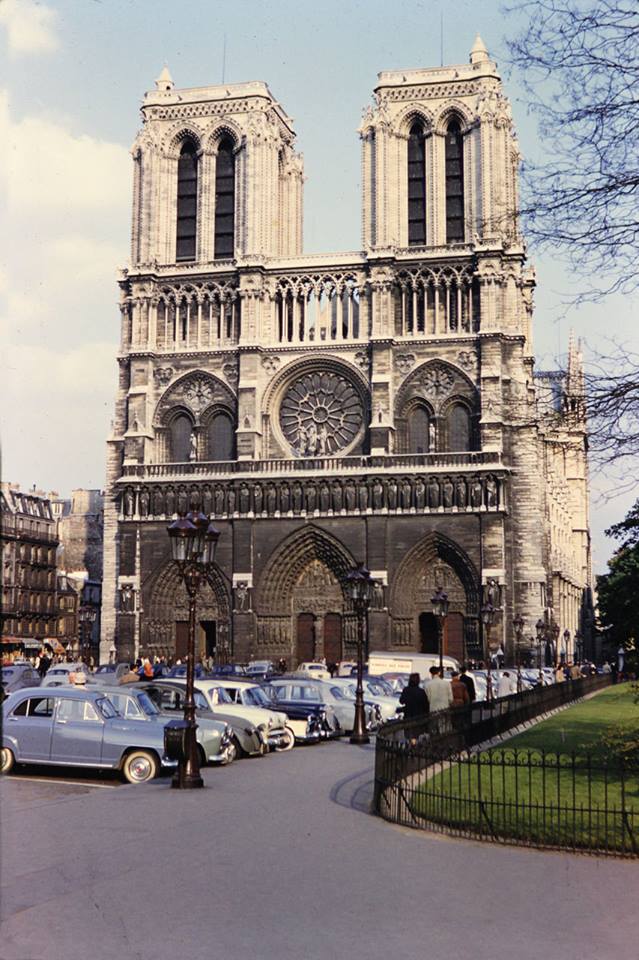
That’s Notre Dame’s parvis in the 1960s. Just like America, European countries experienced a boom in car ownership and thus dedicated more space for cars in their cities. While American cities sprawled outwards postwar, European cities mostly focused on repairing damage caused by the war but not without making accommodations for all those new cars. Bulldozing blocks and leaving them as empty parking lots wasn’t just an American thing; where the Centre Pompidou now stands was once a dense urban block which was razed between 1933-37. The land was then left empty and used as a parking lot until 1969:
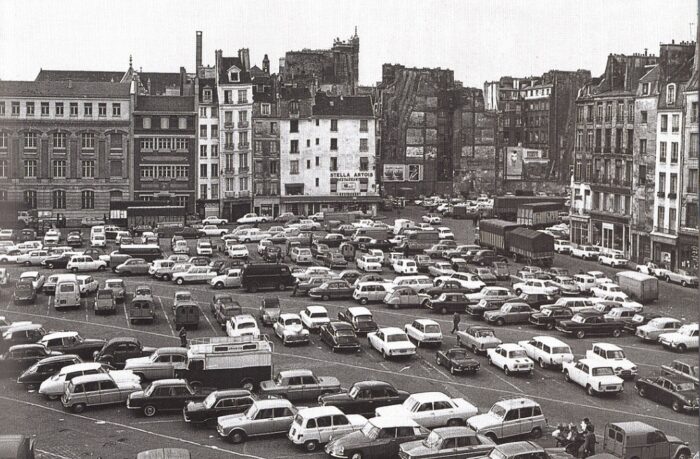
The Centre Pompidou was eventually built on the empty lot, finishing construction in 1977:
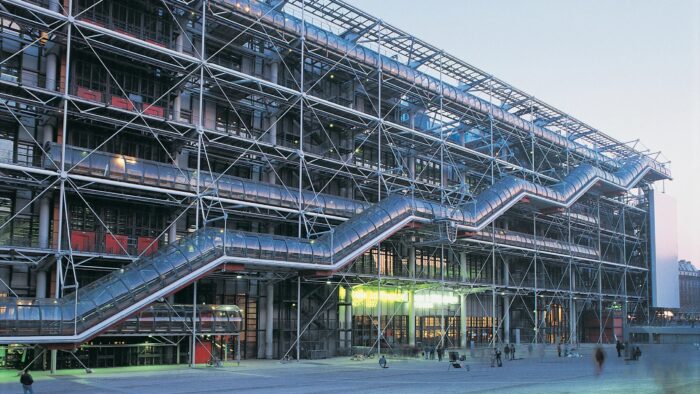
American cities today are noticeably very different than European cities, in no small part due to the prevalence of surface parking lots. However, it’s important to not overlook the fact that cities in America were initially designed similarly to those in Europe and the cities in Europe gave in to car-centric design in a similar manner to American cities. European cities like Paris have since taken critical steps through policy to move parking out of sight in a way that American cities fail to. Some reasons I believe European cities have been more successful in this are:
1. Rebuilding post-war hindered the speed at which parking lots could be implemented when compared to America so there were less parking lots to remove when cities decided to remove them.
2. Automotive & oil lobbyists in America had/have a much stronger sway in politics than in Europe, so when the time to remove parking lots came, policy was actually able to move forward in European cities.
3. American parking minimums, which in my opinion really shouldn’t be a thing especially in urbanized areas. Parking minimums place a required minimum number of parking spaces per building based on its use. Most importantly, in some cities these minimums also apply when repurposing an old building to a new use which massively hinders otherwise viable adaptive reuse projects.
